Das Boominator
A portable, high-fidelity stereo boombox with DSP and psychoacoustic bass enhancement
Design Goals
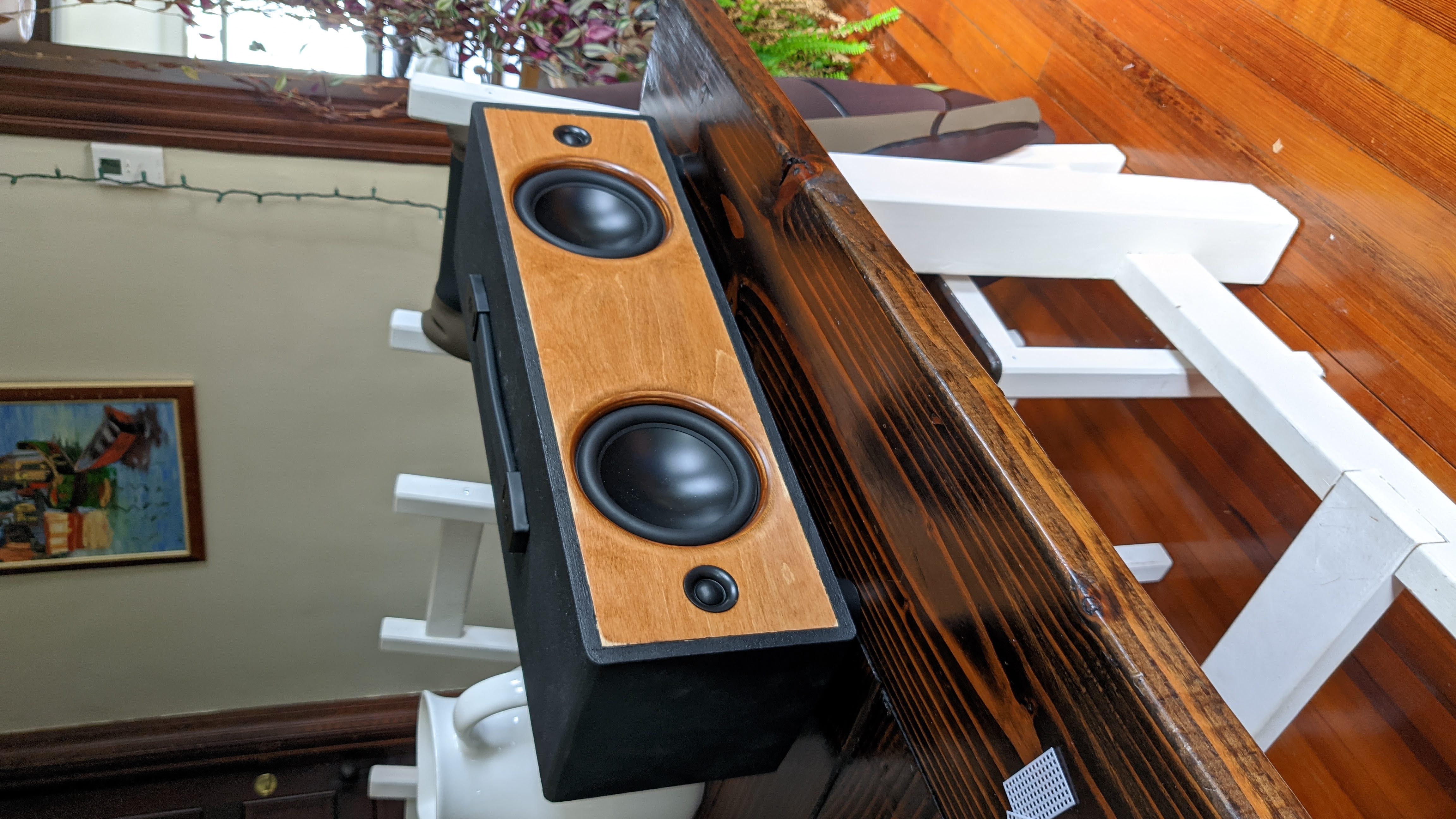
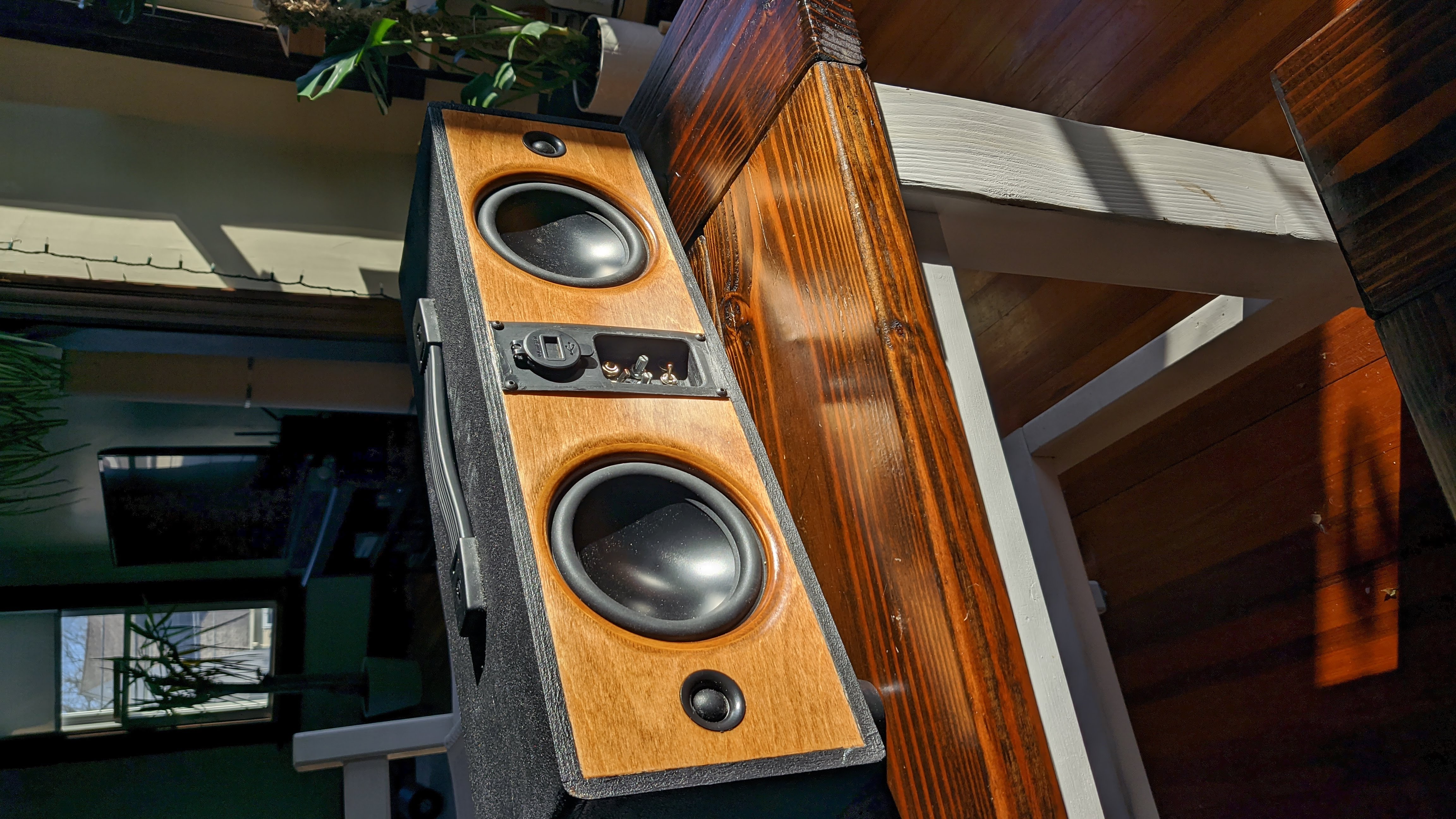
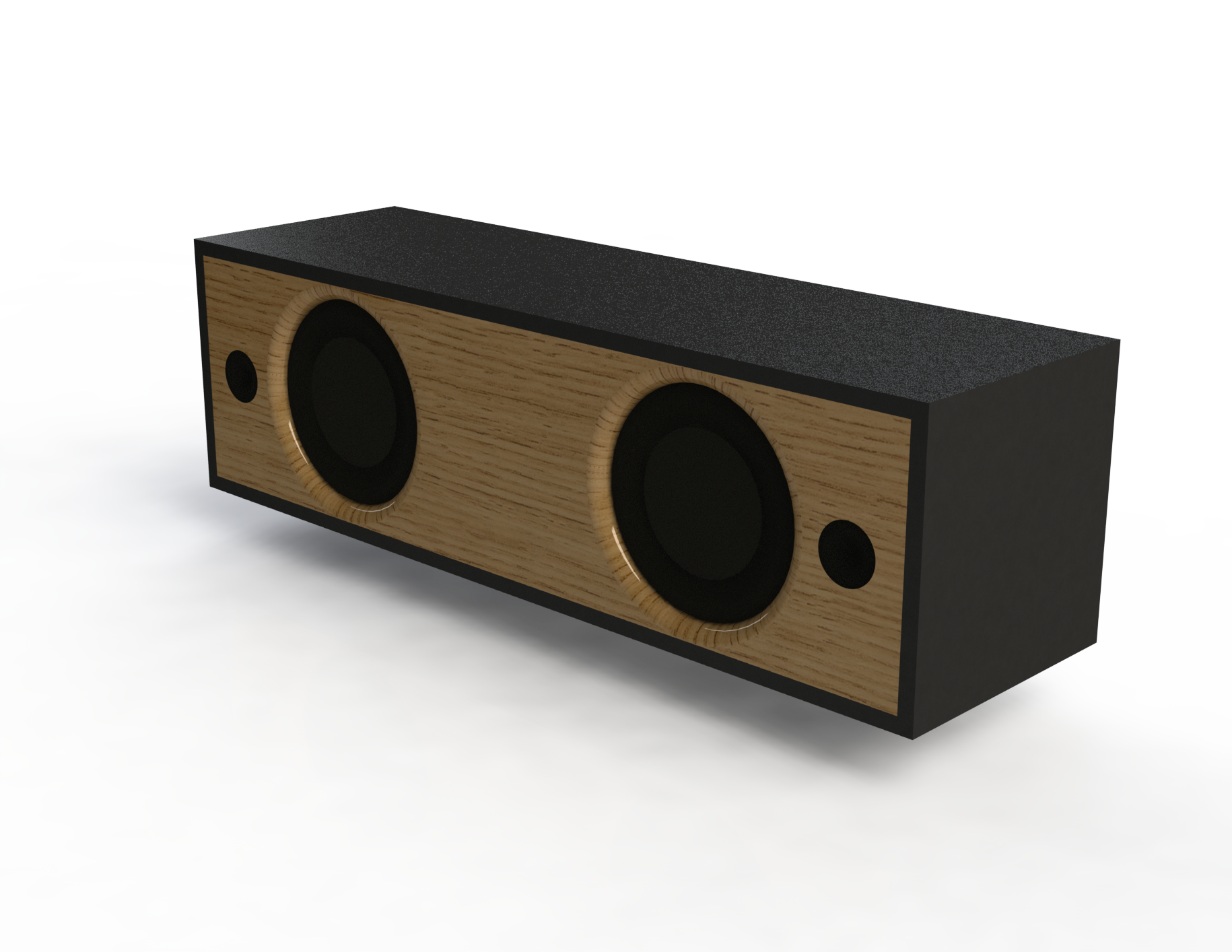
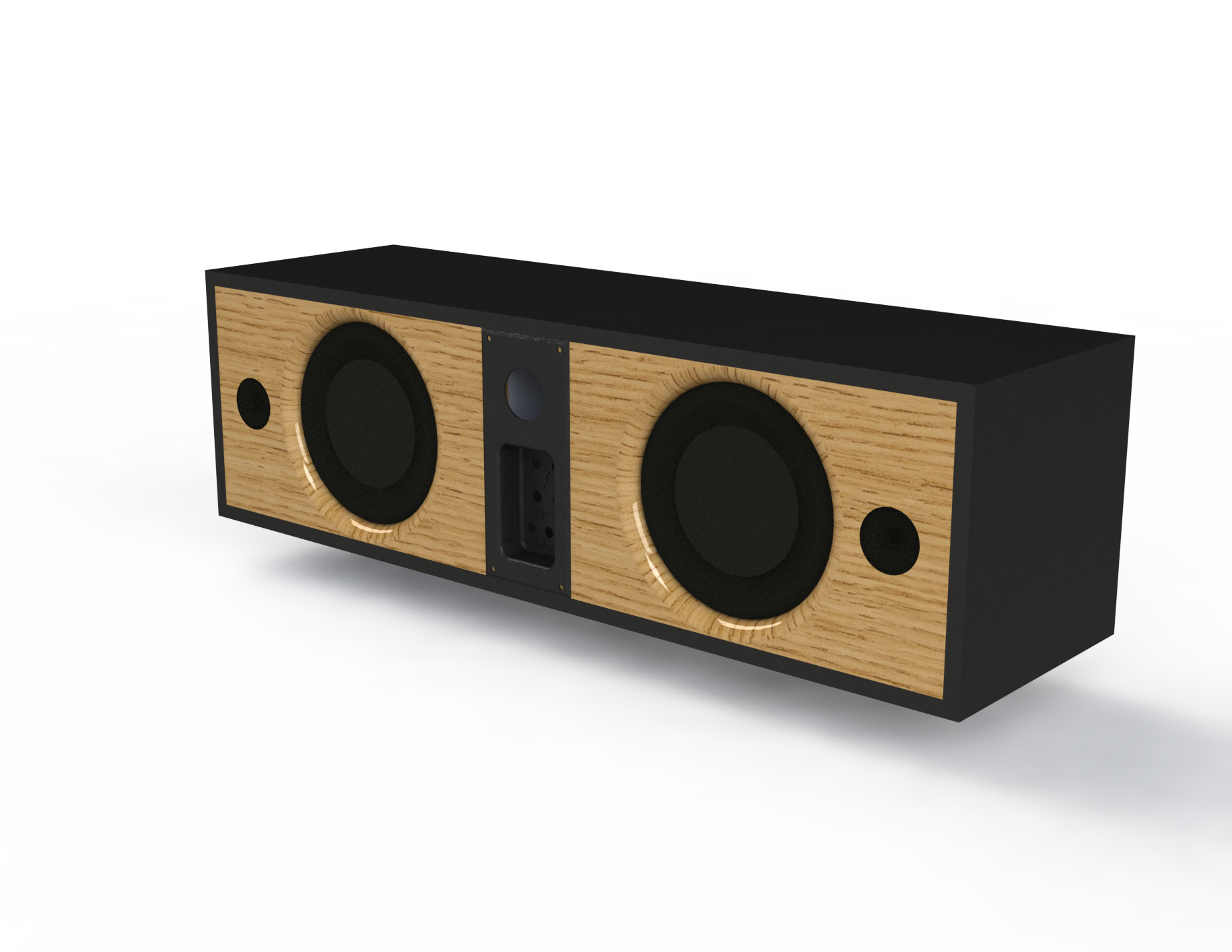
I wanted something highly portable — light and easy to carry — that sounded great both indoors and outdoors. After far too much research on loudspeaker design, I settled on a stereo bipole arrangement. Inspiration came from a more portable version of the wildly popular (not really) "Boominator" design. This bipole arrangement creates a true surround experience that excels in an outdoor environment.
Speaker Selection
With 4 drivers and 4 tweeters, price was a major factor. At around $34, the Dayton ND140-8 was on the low end of the price spectrum while providing one of the best frequency responses of all mid-range drivers considered.
Power
I'll admit I went a bit overboard - six Epoch 18650 3000 mAh cells wired to a custom BMS circuit. The power pack pushed the limits of my electronics enclosure, but it was worth the effort: under normal usage, I haven't been able to drain it. I estimate play time at well over 20 hours.
Cabinet & Filter Design
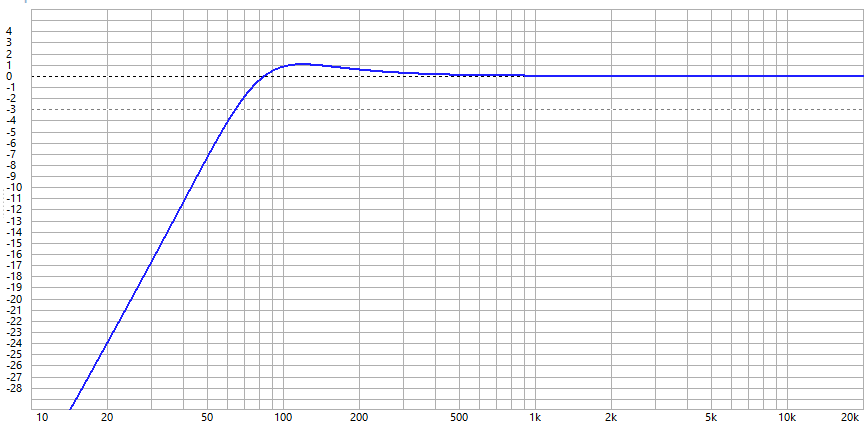
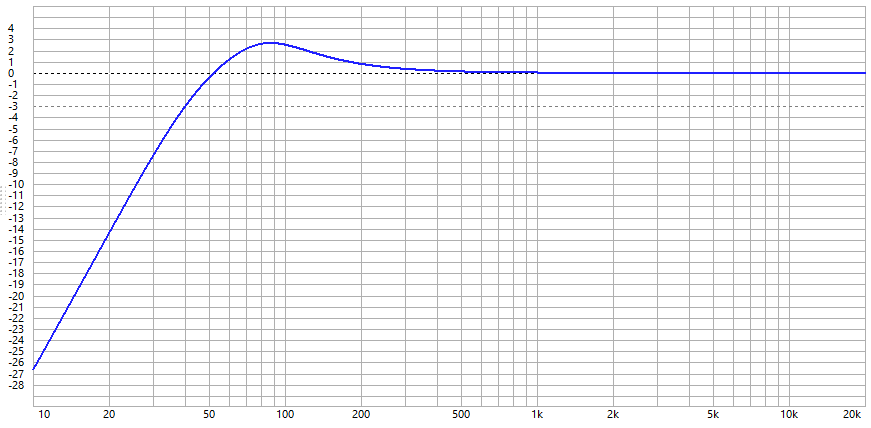
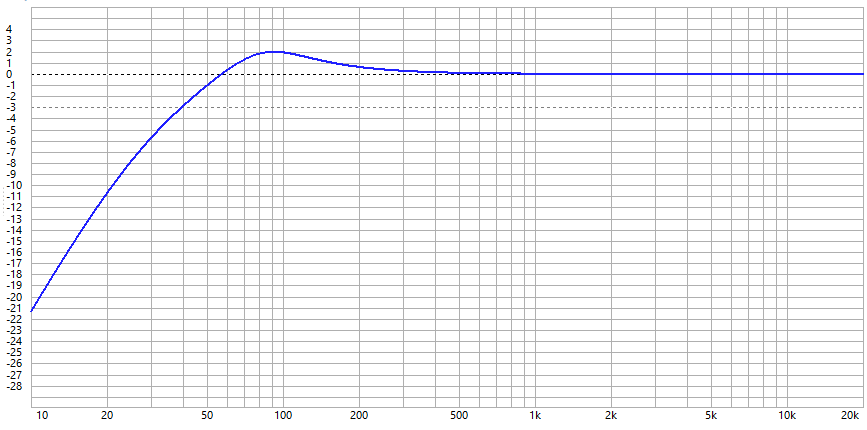
Cabinet and filter design were performed in WinISD. Variable Q was achieved through the use of multiple Linkwitz transforms to boost low-end response. WinISD gave me a target volume to achieve for the enclosure; all modelling was done in SolidWorks to design an enclosure that hit that target volume with dimensions I could cut on a table saw.
DSP & Amplification
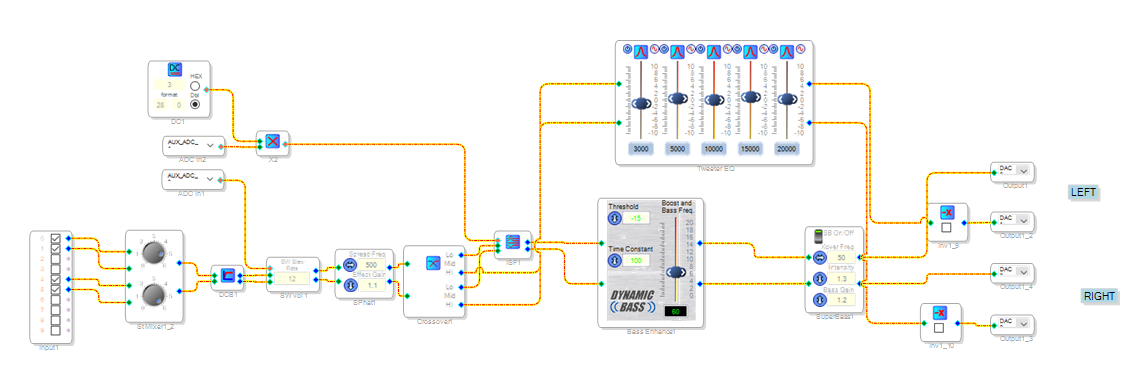
I selected the 4×30W JAB4 Wondom amplifier, which includes the ADAU1701 Digital Signal Processing chip programmable in SigmaStudio. The DSP program handles fixed functions (crossover, bass enhancement, stereo enhancement) as well as variable functions controlled by two potentiometers — volume and variable Linkwitz Transform.
One of the major advantages of DSP was the ability to implement a psychoacoustic bass enhancement algorithm. Below a chosen crossover frequency — where natural response drops off due to enclosure size — the DSP plays the harmonics of those frequencies with varying gains. To the human ear, these harmonics are perceptually indistinguishable from the original fundamental, effectively extending perceived bass response far beyond what the cabinet volume alone could produce.